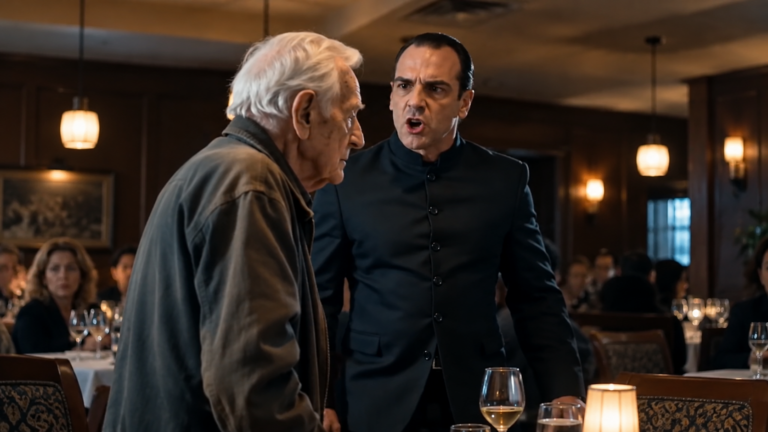
CHAPTER 30: What Charles Had Not Read
Charles Renwick sat across from an independent investigator who had been retained by his company’s board.
The investigator opened with a simple request for the minutes of a meeting Charles had chaired three years earlier.
Charles remembered the dinner served afterward but not the financial approval listed on the agenda.
He had signed the minutes at the next meeting without checking the attachments.
The investigator asked whether he believed that practice was acceptable for a company managing restricted charitable funds.
Charles answered that he had relied on specialists.
The investigator replied that delegation required oversight rather than blind faith.
The words sounded familiar because Lillian Avery had said much the same thing decades earlier.
Charles found himself remembering how casually he had dismissed her warnings.
He had admired the restaurant’s elegance and revenue potential more than its community obligations.
When the charitable program became cumbersome, he had welcomed assurances that someone else was handling it.
He now understood that those assurances had protected his comfort as much as the company’s operations.
The investigator asked about his relationship with Meridian’s owners.
Charles acknowledged that his brother-in-law held an interest but insisted he had received no personal payments from the disputed invoices.
The investigator requested supporting financial records rather than accepting or rejecting the assertion.
Charles authorized his counsel to arrange the required disclosures.
Several days later he met Maya to review proposed changes to the board’s conflict policies.
Maya insisted on written disclosure of family and financial relationships before future vendor approvals.
Charles supported the change despite knowing it would be described as evidence of past failure.
He asked whether she thought he should resign permanently.
Maya refused to make the decision for him.
She said the board and its stakeholders deserved an honest account before choosing his role.
Charles considered the answer harsher than a demand for resignation because it deprived him of a simple gesture of sacrifice.
He could not erase the past by surrendering a title.
He would have to cooperate with a process that might expose more failures than he wanted to remember.
That evening he visited his elderly mother, who had never attended the Bellwether.
She listened while he described the investigation and his humiliation at the restaurant.
Then she asked what had happened to the waitress.
Charles said Claire had found another job and settled her claim.
His mother asked whether he had apologized to her personally.
He admitted that he had not.