She consulted an attorney about recovering personal effects that may have belonged to her under Evelyn’s estate arrangements.
The attorney recommended requesting an accounting rather than attempting to search Richard’s property.
Mara agreed and sent a formal letter.
Richard’s response acknowledged that some papers might remain in storage but disputed Mara’s right to demand them immediately.
The exchange was frustrating, slow, and far less dramatic than a sudden discovery behind a locked door.
Still, it created a record of the request and the refusal.
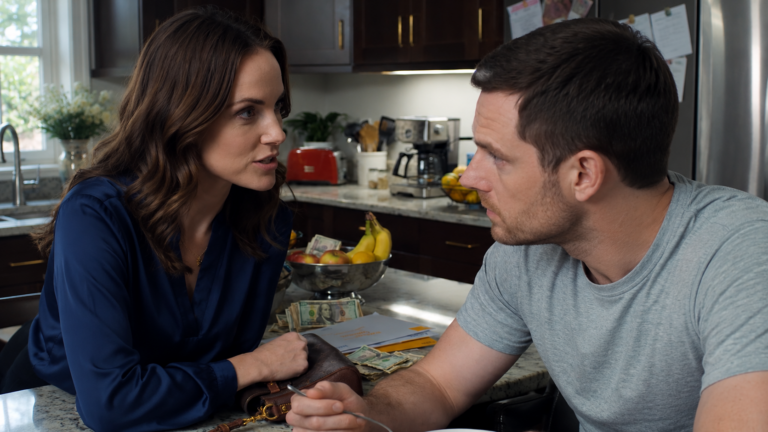
I helped Mara organize copies of the correspondence into clearly dated folders.
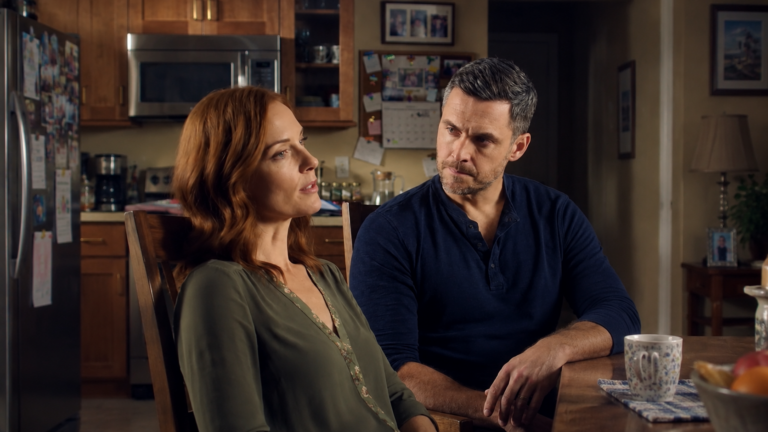
We worked at a kitchen table and occasionally stopped for coffee.
She said she had never expected her search for her mother to involve so many ordinary office supplies.
I told her my father would have appreciated that detail.
He believed that important truths were often saved by people who knew where to put a piece of paper.
Mara smiled and wrote another date on a folder tab.
CHAPTER 41: The Contents of the Trunk
Months later, Richard’s attorney agreed to an independent inventory of the remaining personal effects.
The arrangement was negotiated without any promise that Mara would receive every item.
An estate representative attended alongside attorneys for the parties.
The trunk was found in a climate-controlled storage room, covered with dust but otherwise intact.
Inside were letters, photographs, school certificates, and several notebooks in Evelyn’s handwriting.
There was also a small red ribbon and a packet of theater tickets held together with string.
The letters were cataloged before anyone reviewed them.
Mara was allowed to inspect the items identified as belonging to her under the estate documents.
She spent most of the afternoon reading a notebook that described Evelyn’s lessons at Alder House.
The notebook contained ordinary observations about children who liked drawing, struggled with fractions, or asked difficult questions about their families.
It did not contain the confession Mara had imagined.
On the final pages, Evelyn wrote that the school would close soon and that she feared some residents would be forgotten afterward.
She had promised herself to keep their names in a safe place.
The notebook included three names written in the margin.
Tessa, Owen, and Leah.
The third name belonged to the child whose fate investigators had not yet established.
Mara copied the page with permission and gave it to Naomi.
She did not use the discovery to claim that her mother knew everything about the transfers.